Civil Aviation Institute Concludes Two Training Programs in Risk Management and Key Performance Indicators
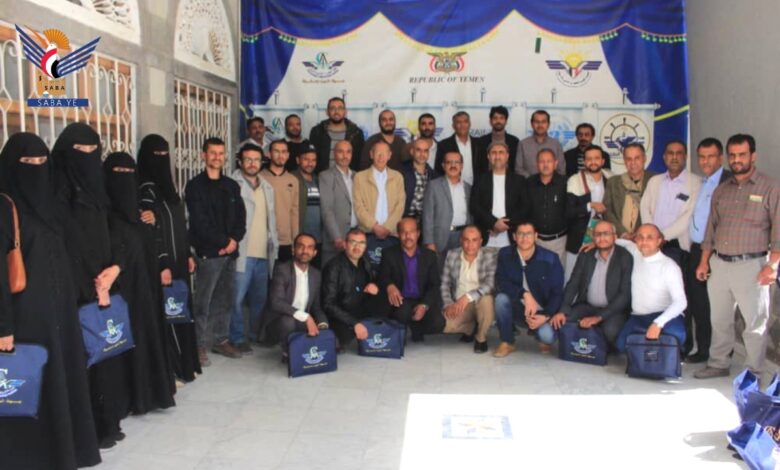
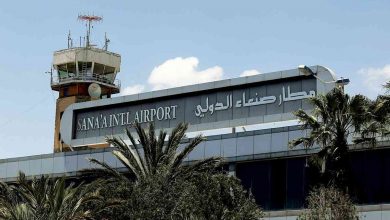
Two training programs in risk management (restructuring risk analysis checklists) according to ISO 31000 and the development of Key Performance Indicators (KPIs) according to ISO 10005, organized by the Civil Aviation and Meteorology Institute in Sana’a, concluded today. The two-week programs aimed to equip 38 trainees from the Authority’s headquarters, the Aviation Safety Sector, and the Institute with the professional skills necessary to identify, analyze, and assess risks. They also aimed to develop their skills in preparing and measuring KPIs related to strategic and operational planning processes, and to provide them with the knowledge, experience, and skills to implement these plans, achieve organizational goals according to the KPIs, and increase productivity.
The programs also focused on developing risk analysis checklists according to ISO 31000 and the development of Key Performance Indicators (KPIs) according to ISO 10005.
The programs aimed to equip 38 trainees from the Authority’s headquarters, the Aviation Safety Sector, and the Institute with the professional skills necessary to identify, analyze, and assess risks.
The programs also aimed to develop their skills in preparing and measuring KPIs related to strategic and operational planning processes, and to provide them with the knowledge, experience, and skills to implement these plans, achieve organizational goals according to the KPIs, and increase productivity.
In closing, Dr. Naji Al-Sahmi, Dean of the Civil Aviation Institute, emphasized the importance of these programs in developing capabilities and raising performance levels in the civil aviation sector. He noted that the Institute continues its efforts to enhance the efficiency of the Authority’s employees and its various sectors through the implementation of high-quality and specialized training programs and courses.
He explained that the Institute has a training plan for 2026, derived from the requirements of the International Civil Aviation Organization (ICAO), which contributes to enhancing institutional work efficiency. Dr. Al-Sahmi commended the support provided by the Civil Aviation Authority’s leadership for training, qualification, and capacity-building programs, which positively impacts the improvement of institutional performance and the advancement of the civil aviation sector.
For his part, Khalid Marit, the trainer of the two programs and an administrative systems and quality consultant, explained that the focus was on the practical aspects of risk management and the development of performance indicators. This enables participants to apply international standards in the workplace and contributes to improving the efficiency of planning, implementation, and performance measurement.
He pointed out that the training included practical models and case studies aimed at enhancing the institutional understanding of risk management concepts and linking performance indicators to strategic and operational objectives.